-
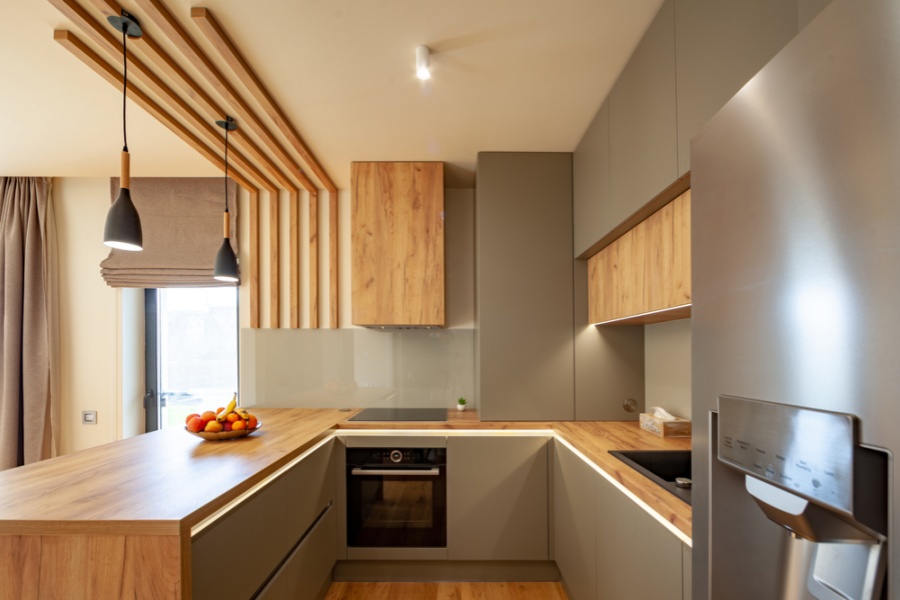
Why Skilled Carpentry Is Essential In Home Renovations
Carpentry provides the structure of your home. From framing walls to installing doors and windows, a skilled carpenter ensures that your home is sturdy and safe. Without proper carpentry, your home could be prone to structural issues down the line. Carpentry contributes to the functionality of your home. A skilled carpenter can create custom…
-
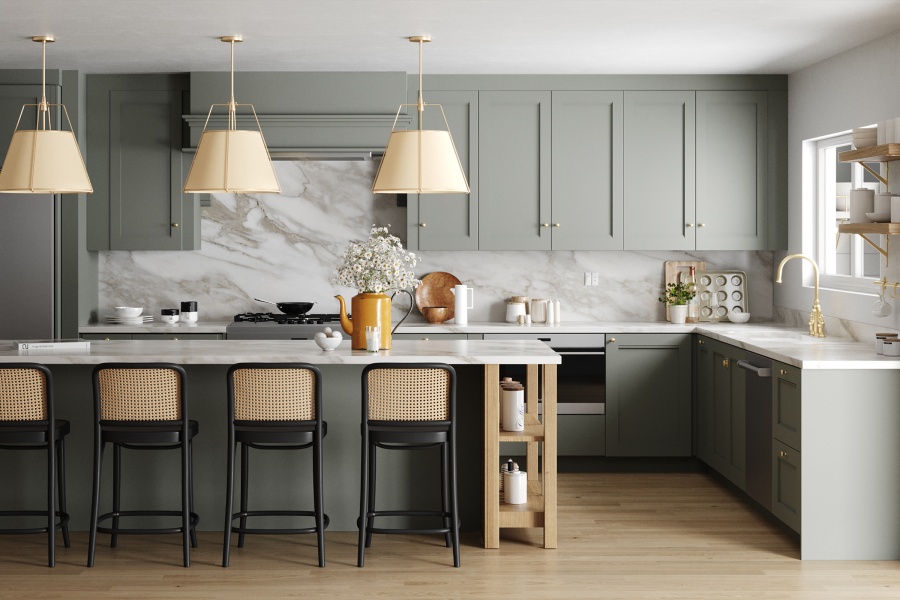
Why Painting Is Paramount In Home Renovations
Painting is a cost-effective way to transform your home. A fresh coat of paint can breathe new life into a room, making it feel clean, updated, and more appealing. It’s an affordable way to make a significant impact on your home’s aesthetics. Painting can influence the perceived size and shape of a room. Light…
-
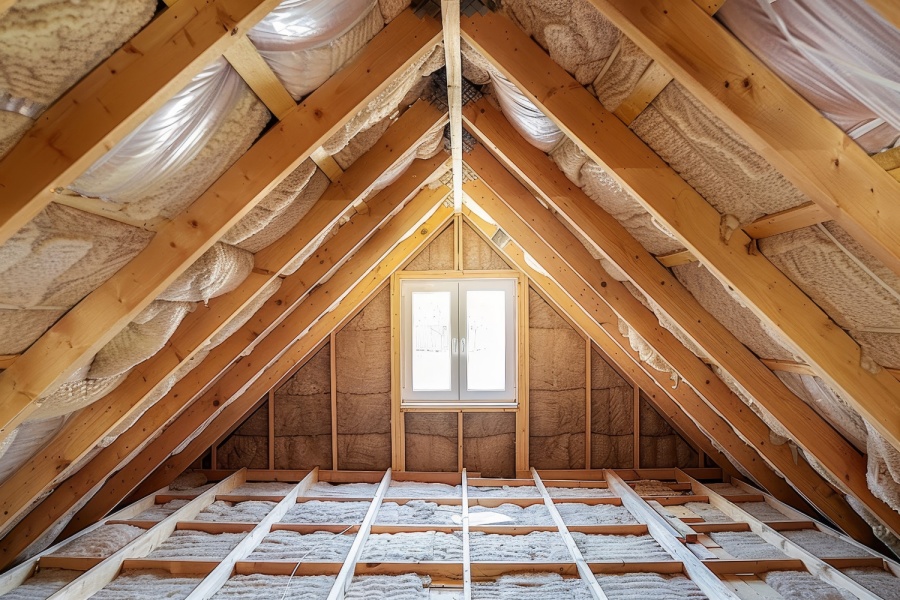
How To Enhance Your Home’s Comfort And Efficiency With Insulation
Assess your current insulation. Check the type and condition of the insulation in your attic, walls, and basement. If it’s old or damaged, it may not be providing optimal thermal resistance. In such cases, replacing or supplementing the existing insulation can greatly improve your home’s energy efficiency. Choosing the right insulation material is key.…
-
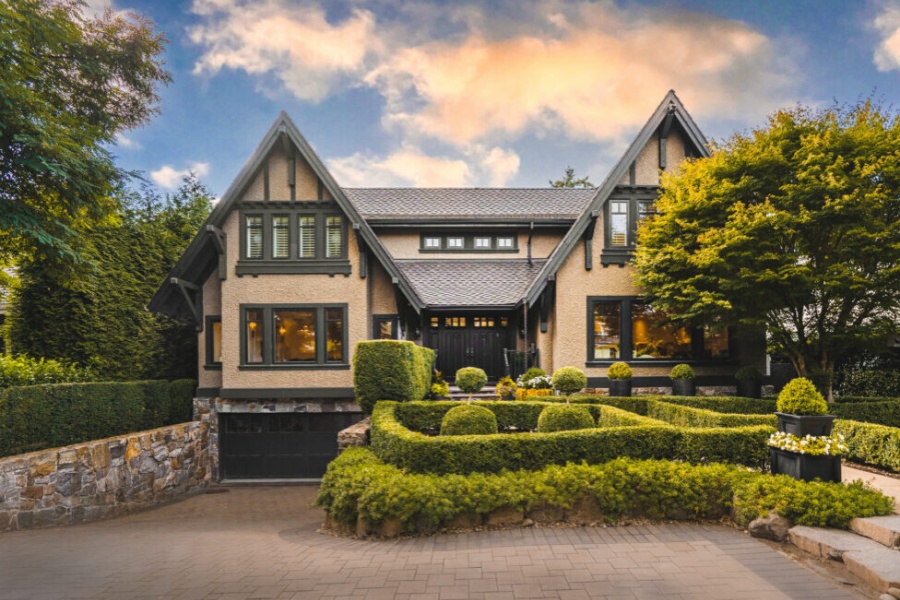
Why Landscaping Matters In Home Renovations
Landscaping enhances the curb appeal of your home. A well-designed garden, a clean walkway, or a vibrant flower bed can drastically improve the first impression your home makes. This is particularly important if you’re planning to sell your home, as a beautiful exterior can significantly increase its market value. Landscaping can extend your living…
-

How To Renovate A Home In Clear Steps
Setting a realistic budget is critical. Research average costs for materials and labor in your area, then add 10-15% for unexpected expenses like hidden water damage or supply delays. Break costs into categories—materials, labor, permits—to track spending. If working with a limited budget, tackle projects in phases: start with structural fixes, then move to…
-
How To Successfully Complete A Home Renovation
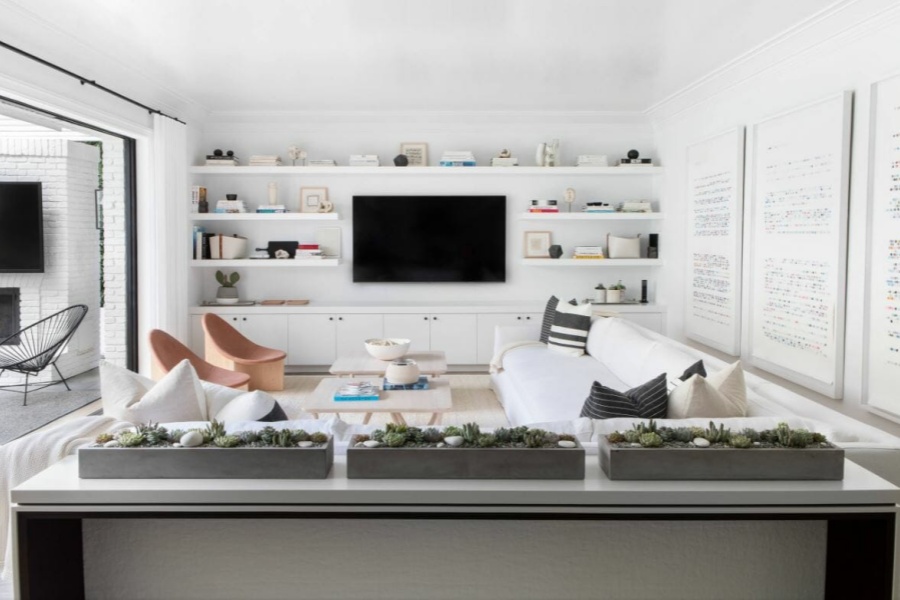
Clarify your goals.Walk through each room and note issues: a drafty window, outdated cabinets, or insufficient storage. This list helps prioritize projects; address structural or safety issues (like a leaky roof) before cosmetic changes to avoid bigger problems later. Choosing materials and finishes balances durability and style. In high-traffic areas like entryways, opt for…
-
How To Improve Your Home Through Strategic Improvements
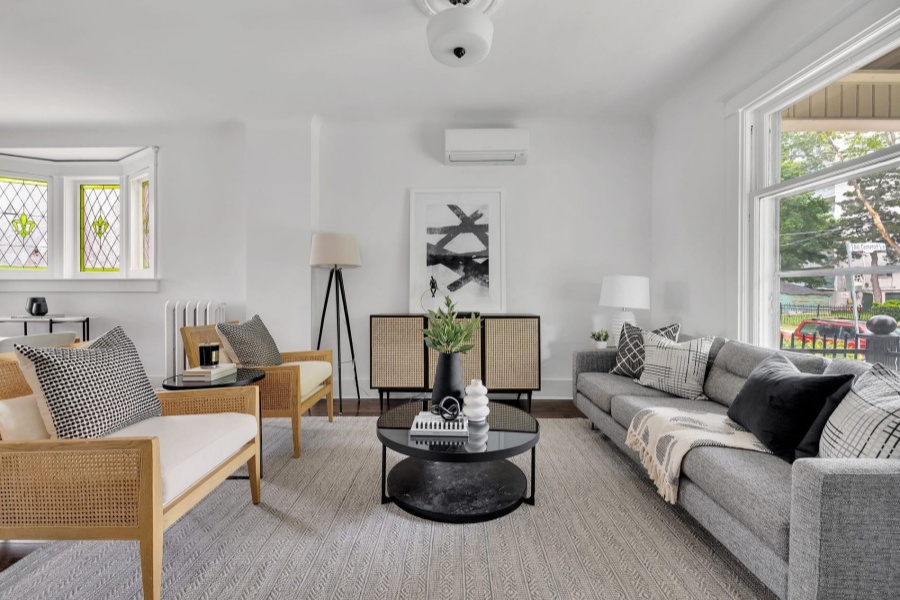
Start with energy-saving upgrades that cut costs long-term. Seal gaps around windows and doors with weatherstripping or caulk to prevent drafts, reducing heating and cooling bills. Swap old incandescent bulbs for LED ones, which use less energy and last longer. Adding insulation to attics or basements also improves temperature control, making spaces more comfortable…
-
What Is The Role Of Flooring In Furniture Renovation
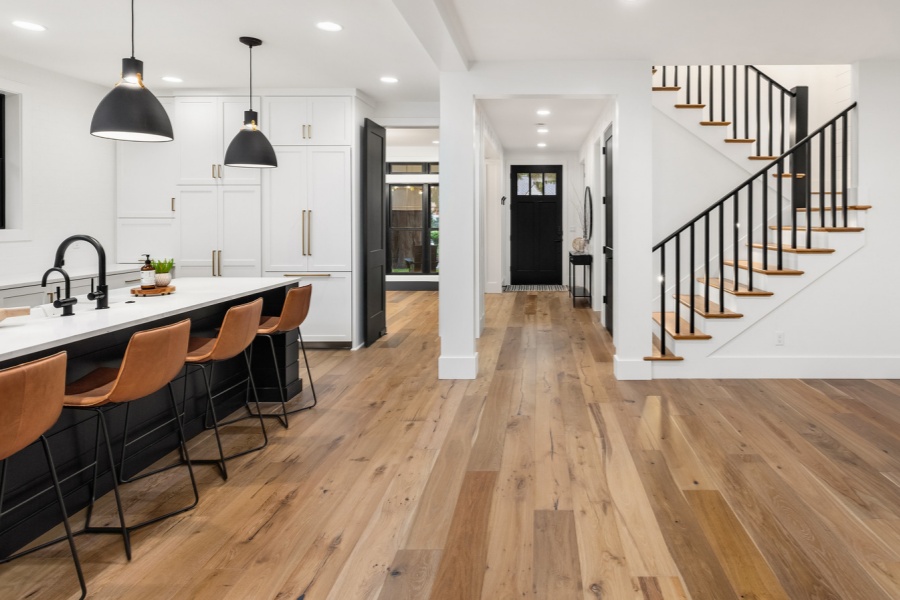
Common flooring types vary in material, each with distinct benefits. Hardwood flooring, made from solid wood or engineered layers, adds warmth and timeless appeal, with options like oak maple or walnut that develop a rich patina over time. It works well in living rooms and bedrooms but may scratch easily, requiring careful maintenance in…
-
What Is The Purpose Of Roof Renovation
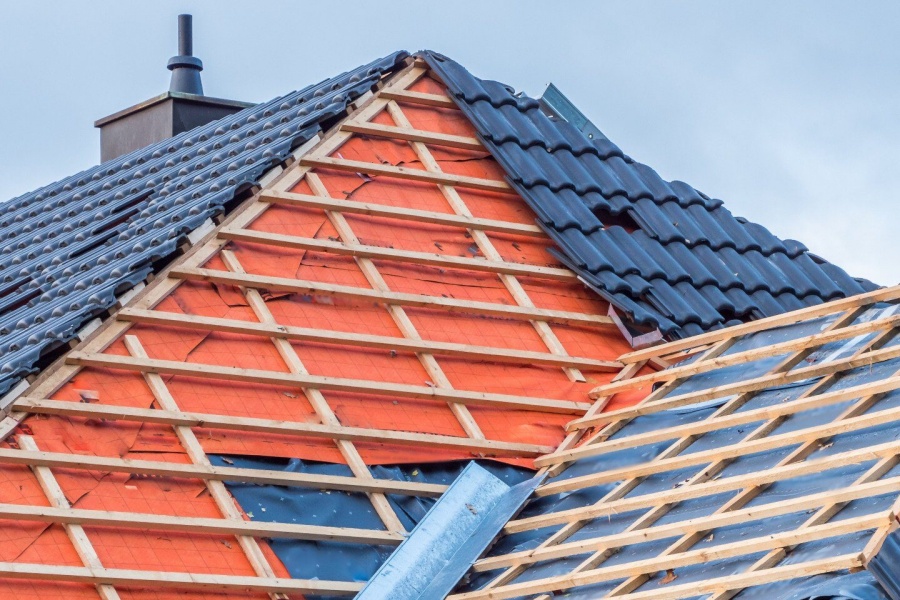
A typical roof renovation begins with a thorough inspection to assess the roof’s condition. Professionals check for signs of wear like cracked or missing shingles, rotting decking, damaged flashing, or sagging areas. They also evaluate the underlayment and ventilation systems, as these hidden components play a critical role in preventing moisture buildup and extending…
-
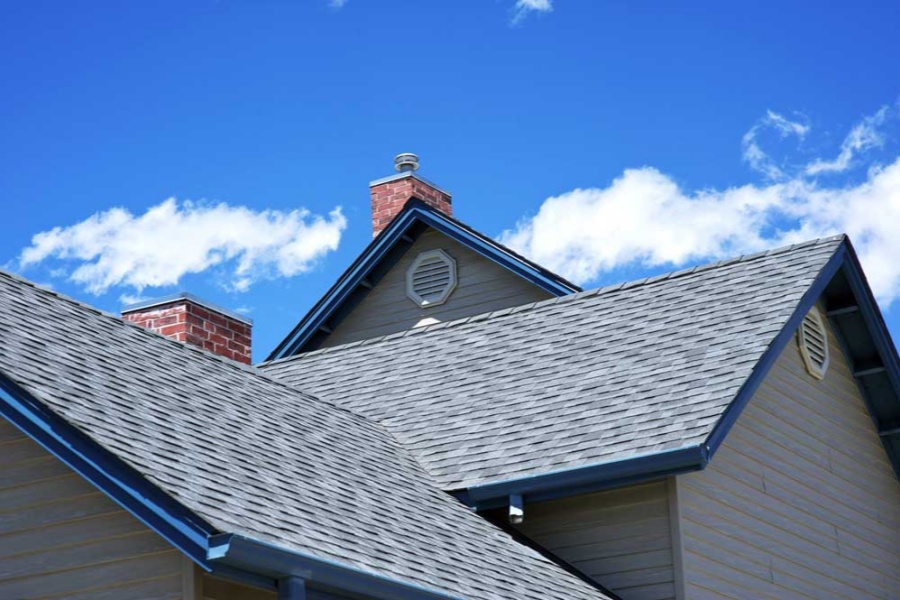
How To Ensure A Durable And Efficient Roof Through Home Renovation
Understanding the current state of your roof is the initial step. Conduct a thorough inspection to identify any signs of damage, such as missing or cracked shingles, leaks, or sagging areas. Early detection of these issues can prevent costly repairs down the line. Choosing the right roofing material is crucial. There’s a wide array…